
Psychiatrist Singapore

Psychiatrist Singapore: Treats ADHD, Depression, Anxiety Disorders, Insomnia


Call Us Now: +65 64796456

  • Home
  • Your Doctor
  • What to Expect
  • Conditions Treated
    • ADHD
    • Anxiety Disorders
    • Obsessive-Compulsive Disorder
    • Depression
    • Insomnia – Sleepless in Singapore
    • Bipolar Disorder
    • Old Age Psychiatry
    • Men’s Mental Health
    • Women’s Mental Health
  • Contact Us
  • Blog
  • Languages
    • 中文
    • Bahasa Indonesia
    • Tiếng Việt
    • ភាសាខ្មែរ
You are here: Home / Archives for ADHD

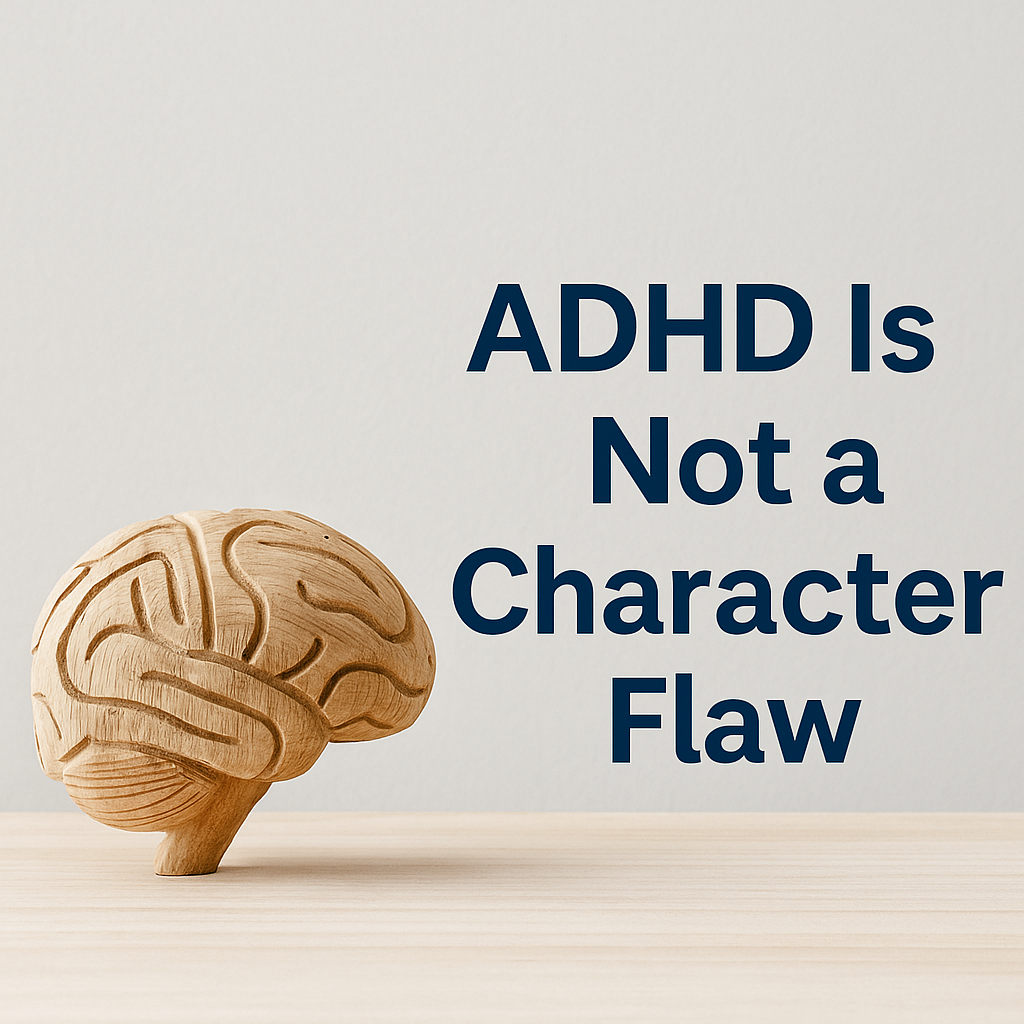
ADHD Is Not a Moral Failure: Why Understanding the Brain Matters More Than Blame

December 4, 2025 By Dr Lim Boon Leng

ADHD has always suffered from an image problem. People imagine a child bouncing around a classroom, or an adult scrolling their phone instead of working. Yet the real story is far deeper and far more scientific. ADHD is a neurodevelopmental condition with strong genetic underpinnings, affecting attention, emotional regulation, motivation, impulse control, and working memory. These are brain-based functions, not moral choices.

One of the most persistent myths is that ADHD is simply a motivational deficit. Patients tell me they were scolded throughout childhood—lazy, careless, messy, forgetful—despite trying their best. Punishment does not treat a neurological condition. It only teaches shame.

The idea that ADHD disappears at adulthood is another relic of older thinking. Many adults carry their symptoms into university, work, and relationships. They describe feeling “inconsistent,” capable of brilliance one day and paralysed the next. This inconsistency creates a lifelong narrative of underachievement and self-blame. When an adult realises that a treatable condition explains decades of struggle, their relief is profound.

ADHD is often invisible. Inattentive presentations do not look disruptive; they look quiet, dreamy, or disengaged. These individuals are frequently overlooked, especially high-ability students who compensate until demands exceed capacity. Later in life, they present with anxiety or depression—the downstream effect of years spent fighting an unseen current.

Emotional regulation is another neglected part of ADHD. The same circuits governing attention also coordinate emotional response. People with ADHD feel emotions intensely and shift gears rapidly. They are not “overreacting.” Their brains are wired to respond differently.

The science behind ADHD treatment is robust. Stimulants improve core symptoms in the majority of patients. Non-stimulants offer alternatives when stimulants are unsuitable. Therapy teaches structure, time management, and executive skills. Lifestyle factors—sleep, routine, exercise—reinforce stability. Treatment is safe, evidence-based, and life-changing.

Parents of children with ADHD often carry unnecessary guilt. It’s important to state clearly: ADHD is not caused by permissive parenting, too much sugar, or too many electronics. Genetics plays a significant role, and early support improves long-term outcome. Blame helps no one. Accurate understanding helps everyone.

What matters most is that ADHD is identifiable and treatable. Assessment provides clarity. Treatment reduces impairment. People with ADHD are not defined by their symptoms—they are often creative, intuitive, energetic, and capable of extraordinary focus when engaged. The goal is not to eliminate their traits but to equip them with the tools to thrive.

Understanding ADHD shifts the conversation from fault to function. It is not about discipline or character. It is about recognising how the brain works and supporting it effectively. For those living with symptoms, the most important message is simple: ADHD is real, but so is recovery.

Filed Under: ADHD Tagged With: ADD, ADHD, Attention Deficit Disorder

ADHD: Are There Alternatives to Stimulant Treatment?

March 16, 2023 By Dr Lim Boon Leng

Attention Deficit Hyperactivity Disorder (ADHD) is a neurodevelopmental disorder characterized by symptoms of inattention, impulsivity, and hyperactivity. Evidence-based medication treatment for ADHD in children and adults are as follows:

For children:

Stimulant medications such as methylphenidate and amphetamine are the most commonly used medications for ADHD in children. These medications help improve attention, reduce hyperactivity, and decrease impulsivity.

For adults:

Similar to children, stimulant medications are also used to treat ADHD in adults. In addition, non-stimulant medications such as atomoxetine and guanfacine can also be effective.

Read more here!

However, there are several non-medical treatments that can be effective in managing symptoms of ADHD. Some of these non-medical treatments include:

  1. Behavior Therapy: Behavior therapy focuses on teaching children and adults with ADHD specific skills to help them manage their symptoms. This type of therapy can include teaching organizational skills, improving time management, and helping individuals develop coping strategies.
  2. Parent Training and Education: Parent training and education can help parents better understand their child’s condition and how to support them. This can include teaching parents how to implement behavior strategies, how to communicate more effectively with their child, and how to help their child build self-esteem.
  3. Cognitive Behavioral Therapy (CBT): CBT can be an effective treatment for adults with ADHD. This type of therapy focuses on helping individuals change negative thoughts and behaviors that can contribute to ADHD symptoms.
  4. Exercise: Exercise has been shown to improve ADHD symptoms by increasing dopamine and norepinephrine levels in the brain, which are chemicals that play a role in attention and motivation.
  5. Mindfulness Meditation: Mindfulness meditation can help individuals with ADHD become more aware of their thoughts and emotions. This can help them develop greater self-control and better manage their symptoms.
  6. Nutritional Therapy: Some studies have suggested that dietary changes, such as increasing intake of omega-3 fatty acids and reducing sugar and processed foods, can be helpful in managing symptoms of ADHD.

It’s important to note that these non-medical treatments are not a substitute for medication. However, they can be used in conjunction with medication to provide a more comprehensive treatment approach. It’s always best to consult with a healthcare professional to determine the best treatment plan for each individual.

Filed Under: ADHD, Psychopharmacology Tagged With: ADD, ADHD, Treatment

ADHD Medications Cheatsheet

March 15, 2018 By Dr Lim Boon Leng

The use of medications revolutionised the treatment of ADHD /ADD. Today, international consensus often recommends medication as the first line of treatment for ADHD / ADD in patients above the age of 6 years of age. This is a introduction to ADHD medications or a ADHD Medications Cheatsheet for your quick reference. You can also visit the following pages for more details on ADHD:

i)  Symptoms of ADHD /ADD
ii) CDC (USA) Guidelines and Recommendations

Medications for ADHD / ADD can be categorised as:

1) Stimulants
2) Non-stimulants
3) Antidepressants
4) Medical Food / Supplements

1) Stimulants

Stimulant medications have the best evidence in the treatment of ADHD for children and Adult ADD. As such it is often recommended as the medication of choice to start for both child and adult patients with ADHD. In Singapore, only methylphenidate based medications are available. They may come in short acting forms (lasting 3-4 hours) and long acting forms (lasting 8-10 hours).Common brand names: Ritalin, Concerta

Advantages:

  1. Most likely to be effective
  2. works almost immediately
  3. can be taken only when necessary

Disadvantages:

  1. Can be potentially abused
  2. effects does not last the whole day

Common side effects: Headache, insomnia, poor appetite

2) Non stimulants

Atomoxetine is a selective noradrenaline reuptake inhibitor indicated for the treatment of ADHD /ADD. Unlike stimulants which has immediate effects, the benefits of atomoxetine is gradual and subtle, and its effect is only apparent usually after two weeks. For it to be effective, Atomoxetine has to be taken daily.Common brand names: Strattera

Advantages

  1. No abuse potential
  2. if effective, will last 24/7
  3. may be effective for concomitant depression

Disadvantages:

  1. Has to be taken daily
  2. only works after two to four weeks
  3. probably less likely to be effective than stimulants

Common side effects: Nausea, headache, insomnia

3) Antidepressants

Bupropion, an antidepressant, used in the treatment of depression and smoking cessation has been shown in some studies to help with the symptoms in ADHD / ADD. However, comparatively, the evidence for Bupropion is not as robust as stimulants and atomoxetine. As such, guidelines often recommends antidepressants as the third line of treatment, after stimulants and atomoxetine.

Advantages:

  1. No abuse potential
  2. if effective, will last 24/7
  3. effective for concomitant depression

Disadvantages:

  1. Has to be taken daily
  2. only works after two to four weeks
  3. probably less likely to be effective than stimulants and atomoxetine

Common side effects: Headache, insomnia, anxiety

4) Supplements

There has recently been some research which suggests a decrease level of Omega-3 fatty acids (fish oils) may be associated with ADHD and taking Omega-3 supplements can help in controlling ADHD symptoms. Parents who may not be ready to medicate their children can consider this option as Omega-3 is a natural supplement. A recent product Lipirinen which contains phosphatidylserine-omega 3, EPA enriched, has shown effectiveness in studies, improving symptoms. Omega-3 can be used to supplement current treatment with other medications as well.

Advantages:

  1. Natural product,
  2. no abuse potential,
  3. if effective, will last 24/7

Disadvantages:

  1. Has to be taken daily
  2. only works after at least four weeks
  3. probably less likely to be effective than stimulants, atomoxetine and antidepressants

Common side effects: no significant side effects

Filed Under: ADHD, Psychopharmacology Tagged With: ADD, ADD Medications, ADHD, ADHD Medications, Adult ADD, Adult ADHD, Attention Deficit Disorder, Attention Deficit Hyperactivity Disorder, Psychopharmacology

ADHD

ADHD Singapore

adult and child: ‎inattentiveness, restlessness, impulsivity, disorganisation, forgetfulness, distractibility, … Read More

Anxiety

Panic Attack

worries, anxious feelings, fears, muscle tension, stress, fatigue, phobias, panic attacks, social anxiety Anxiety … Read More

Depression

depression singapore

depression, loss of interest, loss of appetite, poor sleep, forgetfulness, irritability, guilt feelings, suicidal … Read More

OCD

obsessions, intrusive thoughts, repetitive behaviours, compulsions, handwashing, checking, symmetry, … Read More

Conditions Seen

Depression, low mood and sadness

Child and Adult ADHD / ADD

Anxiety Disorders including:
– Panic Attacks and Panic Disorder
– Phobias / Social Phobia
– Psychological Trauma / Post Traumatic Stress Disorder (PTSD)
– Generalized Anxiety Disorder
– Obsessive Compulsive Disorder

Insomnia

Bipolar Disorder / Mood Swings
Stress & Adjustment Disorders
Psychosis & related conditions

Men’s Mental Health
Women’s Mental Health

Old Age Psychiatry

… Read More

Call for an appointment with our doctor today and embark on the road to psychological well-being and mental wellness.

Resources for Professionals

Mental health resources for General Practitioners, Family Doctors and other professionals: Click Here
Psychiatrist Singapore

6 Napier Road, #09-09, Gleneagles Medical Centre, Singapore 258499

directions psychiatrist   Get Directions

appointment line psychiatrist   +65 64796456

email psychiatrist   info@psywellness.com.sg

opening hours psychiatrist   Mo,Tu,We,Fr 8:30 am – 5:30 pm; Th,Sa 8:30 am – 1:00 pm

Copyright © 2025
Dr BL Lim Centre for Psychological Wellness P/L
Log in